
Wound Care

Proper wound management and post-procedure care are key for achieving the best possible medical and aesthetic outcomes, reducing downtime and minimizing the risk of abnormal scar formation.4

Delayed healing (epithelialization) beyond 10 to 14 days dramatically increases the incidence of hypertrophic scarring.5

Whether it is a surgical, aesthetic, acute or chronic wound, proper wound management and early adequate post-procedure care are critical for achieving the best possible medical and aesthetic outcome, reducing the risk of infection and abnormal scar formation, shortening recovery time, and achieving overall patient satisfaction. 4

The ideal wound care product

Certain dressings may lead to allergic reactions due to their adhesive properties, while their regular removal can be painful if they adhere to the wound.

Fully occlusive post-procedure care, such as petroleum-based products are not ideal as they can retain heat, increase redness and inflammation, and potentially cause skin maceration and contact dermatitis.21

When it comes to choosing a post-procedure care product, it is crucial to consider specific criteria that ensure its effectiveness.

An ideal wound care product should meet these requirements:7

  • Transparent, allowing to monitor the healing progress
  • Prevents infection and the development of abnormal scarring
  • Accelerate healing and reduce recovery time
  • Reduce symptoms, such as itchiness, swelling, redness, and discomfort
  • Barrier to bacteria to prevent infection
  • Protection from irritants and foreign materials
  • Water vapor permeable to prevent maceration and promote a moist wound healing environment
  • Absorb exudate from the wound if excessive
  • Prevent heat and fluid loss
  • Non-adhesion of the dressing to the injured tissue—prevention of wound disruption
  • Flexibility of the barrier dressing on strained (stretching/contracting) areas
  • Hydrophobic to prevent TEWL and maintain moisture
  • Cost effective
  • Easy to apply
  • Pain-free application and removal

Dry VS Moist Wound Healing Environment

Dry wound healing
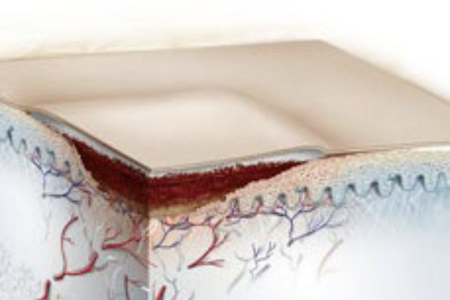
  • Essential feature of dry healing is that all repair and regenerative processes take place under a protective scab
 
  • This firm crust of coagulated blood is the body’s own wound cover protecting the wound against external influences
Moist wound healing
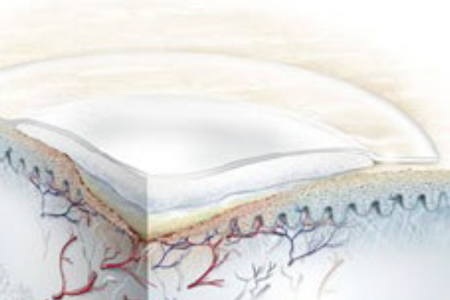
  • Cell growth needs moisture


  • The principal aim of moist wound therapy is to create and maintain optimal moist conditions


  • Cells can grow, divide and migrate at an increased rate to optimize the formation of new tissue

Summary benefits of moist wound healing:

Stages of Wound Healing

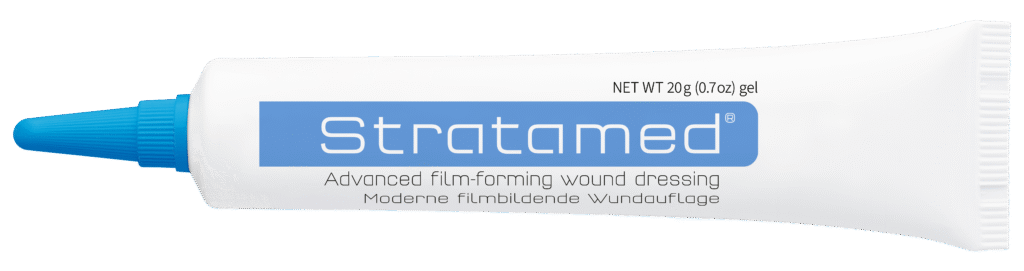
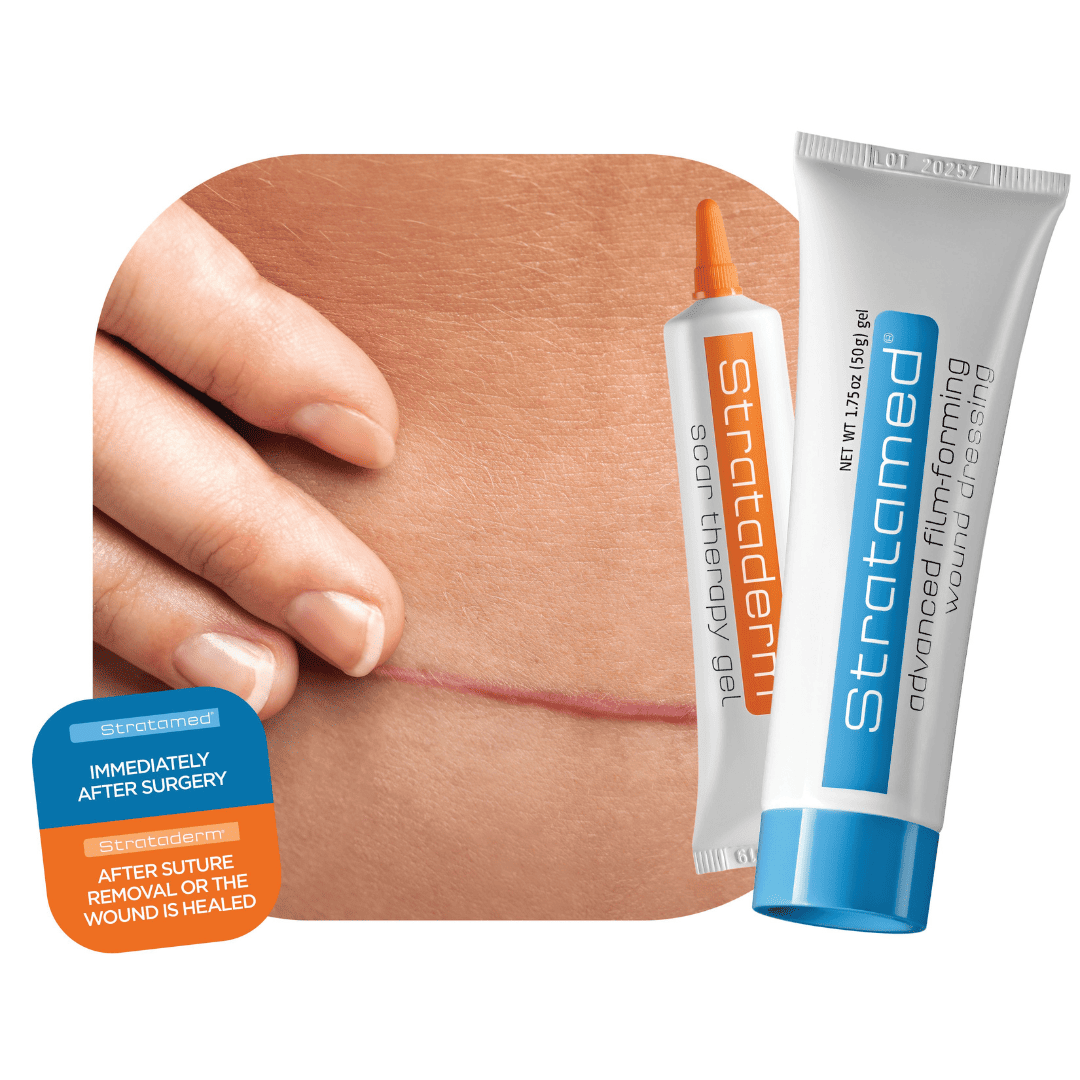
Stratamed® and Strataderm® the perfect partners for post-procedure care.

Professional wound and scar management

Step 1 – Stratamed: For faster wound healing and early abnormal scar prevention

Immediately after surgery

  • For the use on all types of wounds, burns, skin tears and abrasions
  • Can be applied immediately after suturing or on open wounds
  • Promotes a moist environment for faster wound healing
  • Allows abnormal scar prevention to begin earlier than ever before (before suture removal)

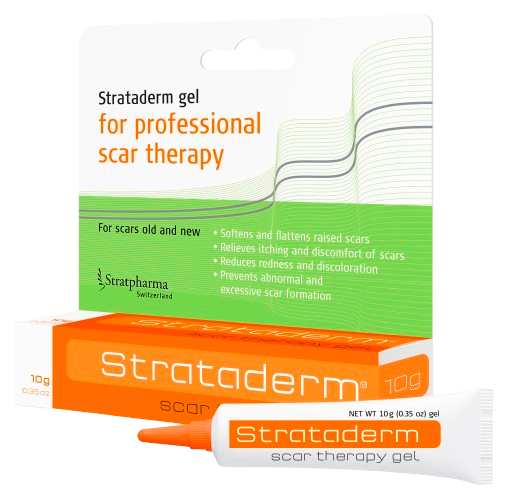
Step 2 – Strataderm: For the professional treatment of abnormal scars, both old and new

After suture removal or once the wound has healed

  • Easy to apply once daily*
  • Prevents abnormal and excessive scar formation
  • Softens and flattens raised scars
  • Relieves the itching and discomfort of scars
  • Reduces redness and discolouration associated with scars

*Please refer to the Patient Information Leaflet (PIL).

Strataderm is used for the prevention and treatment of abnormal and excessive scar formation.